Signs of Dental Anxiety in Kids and How Parents Can Help
Source: Dr. Marketing
Dental anxiety in children is far more common than many parents expect. While some children openly express fear about dental visits, others internalize their discomfort, making it harder to recognize what they are feeling. Dental anxiety does not always show up as tears or refusal to sit in the chair. Often, it appears quietly, through behaviour changes, physical complaints, or emotional responses that can be easy to overlook.
Understanding the signs of dental anxiety in kids allows parents to respond with empathy rather than frustration. When anxiety is addressed early, dental visits become easier, trust builds more naturally, and children are far more likely to develop a healthy relationship with dental care as they grow. If dental visits have started to feel stressful for your child or your family, scheduling a conversation with our team experienced in caring for children can be an important first step.
Dental Anxiety Does Not Always Look the Same in Every Child

One of the biggest challenges with dental anxiety is that it looks different from child to child. Some children are expressive and vocal about their fears, while others withdraw or mask their discomfort. A child who suddenly becomes unusually quiet before an appointment may be feeling overwhelmed. Another child might do the opposite, becoming overly talkative, restless, or distracted as a way to cope with nervous energy. Some children resist getting ready, delay leaving the house, or complain that they feel tired or unwell on the day of the visit.
These behaviours are not acts of defiance. They are often a child’s way of communicating that something feels unfamiliar or intimidating. Parents who notice recurring patterns around dental appointments may benefit from booking a consultation with Brewery District Dental in New Westminster to discuss these behaviours and explore gentle, child-focused care approaches.
Behavioural Changes That Can Signal Dental Anxiety
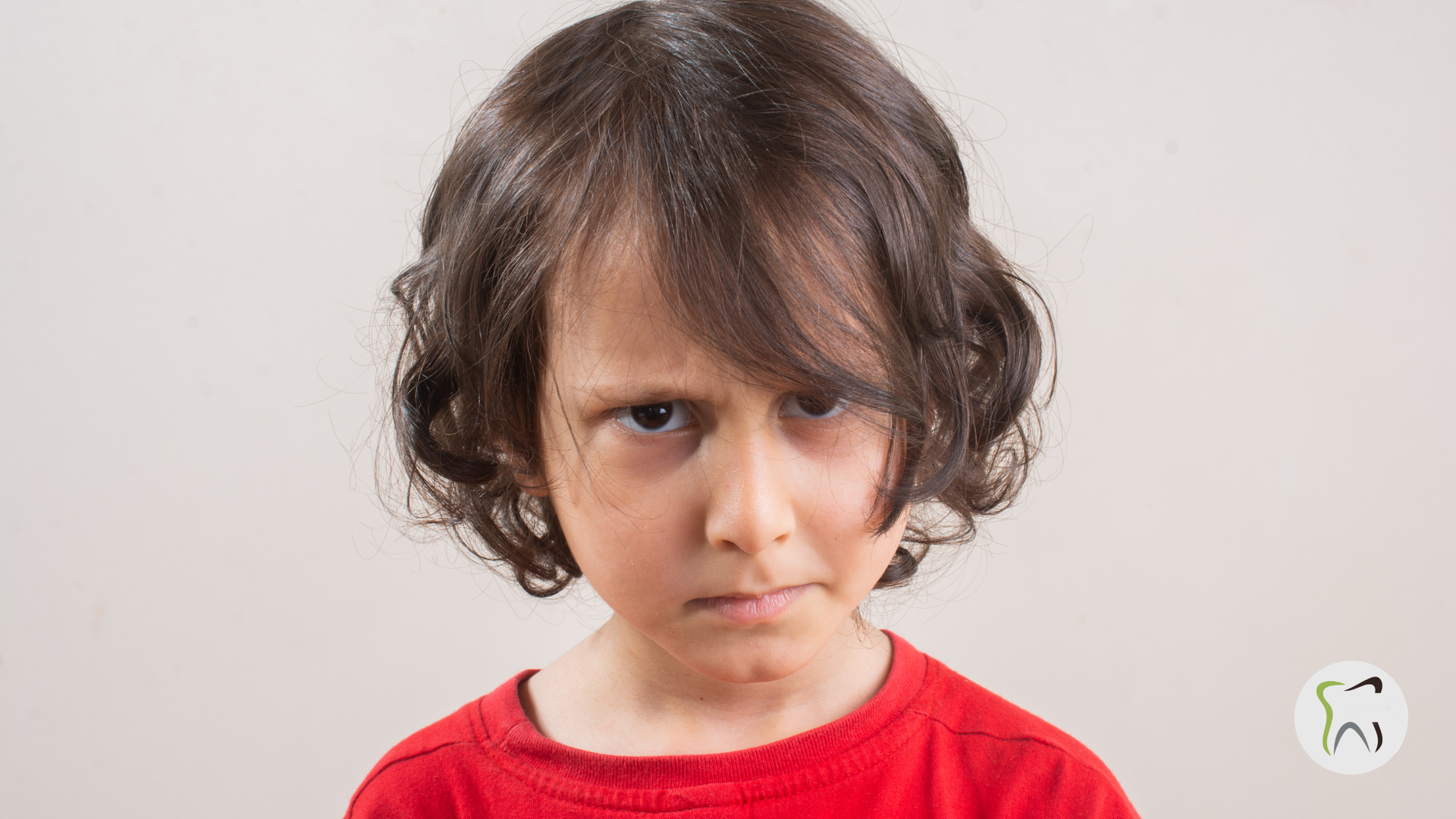
Behavioural shifts are often the earliest and most noticeable signs of dental anxiety. A child who normally handles routine activities well may suddenly become irritable or emotional when a dental visit is mentioned. Some children become clingy, seeking constant reassurance from a parent or caregiver.
Avoidance behaviours are also common. Children may procrastinate when getting dressed, refuse to talk about the appointment, or attempt to negotiate out of going altogether. These reactions can be subtle, but when they appear consistently around dental visits, they are worth paying attention to. Recognizing these signs early allows parents to adjust their approach, ask questions, and seek guidance from our team that understands how to support anxious children.
Physical Symptoms Parents Often Miss

Anxiety does not only affect emotions and behaviour. It can also show up physically, especially in children who struggle to express their feelings verbally. On the day of a dental appointment, some children complain of stomach aches, headaches, or nausea without any other signs of illness. Difficulty sleeping the night before a visit is another common indicator of anxiety.
During the appointment itself, physical signs may include rapid breathing, sweating, trembling, or a noticeably increased heart rate. Younger children may hold tightly to a parent, avoid eye contact, or become unusually still. These physical reactions are normal stress responses. They do not mean something is wrong with the child. Instead, they signal that the child may need additional reassurance, explanation, or a slower-paced approach.
If physical symptoms repeatedly accompany dental visits, discussing them during your kids consultation can help tailor care to your child’s comfort level.
Emotional Signs That Indicate Fear or Discomfort

Dental anxiety can also present emotionally. Some children express fear of pain, unfamiliar tools, or strange sounds. Others worry about being separated from a parent or losing control during the visit. Children may repeat negative stories they have heard from friends, siblings, or even adults, internalizing fears that are not based on their own experiences. A single confusing or rushed dental visit can also leave a lasting impression if a child did not feel understood at the time.
When children feel their emotions are dismissed or rushed through, anxiety can increase. When they feel heard and supported, anxiety often softens naturally. Parents who feel unsure how to navigate these emotions find it helpful to schedule a visit focused on conversation and reassurance with us.
Why Dental Anxiety Develops in Kids
Dental anxiety rarely develops without reason. In most cases, it stems from fear of the unknown. Bright lights, unfamiliar instruments, new sounds, and unusual sensations can feel overwhelming, especially for younger children who thrive on routine and predictability.
Children are also highly perceptive. They may pick up on a parent’s anxiety, even if it is not openly expressed. Casual comments, tone of voice, or body language can unintentionally signal that something is stressful. Previous medical experiences, even those unrelated to dentistry, can influence how a child approaches dental care. If a child has felt rushed, confused, or uncomfortable in other healthcare settings, those feelings may carry over.
Understanding that dental anxiety is learned, not intentional, helps parents respond with patience rather than pressure.
How Parents Can Help Reduce Dental Anxiety Before the Visit
Supporting a child with dental anxiety begins long before the appointment itself. The language used at home matters. Talking about dental visits in a calm, neutral way helps set expectations without creating fear. Avoid words that imply pain or discomfort. Instead, focus on keeping teeth healthy and strong. Allow children to ask questions and answer them honestly, using age-appropriate explanations.
Familiarity can also reduce anxiety. Reading children’s books about dental visits or playing pretend dentist at home helps normalize the experience. These small steps can make a significant difference. Our team prioritizes gentle care and clear communication that can greatly improve your child’s comfort during their visit.
The Importance of a Child-Centred Dental Environment
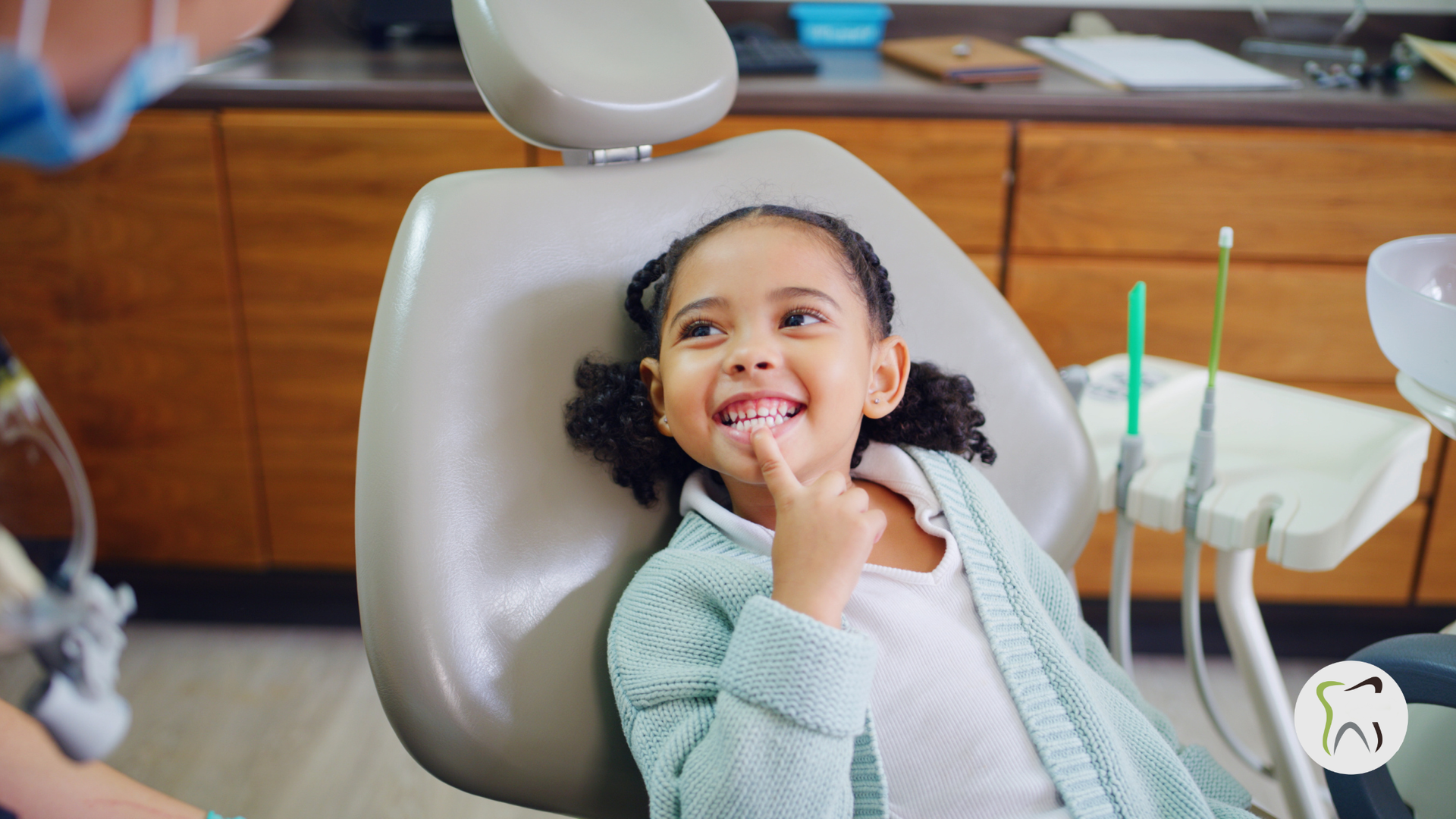
A dental environment designed for children can help reduce anxiety naturally. When visits move at a child’s pace and explanations are given clearly, children feel more in control. Our team is experienced in caring for kids and we often adjust appointment length, tone, and approach based on the child’s needs. Slowing down, offering reassurance, and allowing breaks when needed helps build trust.
For families who have struggled with anxious dental visits in the past, booking a consultation with us specifically to discuss comfort-focused care options can be reassuring.
When Dental Anxiety Needs Extra Support
In some cases, dental anxiety can become intense enough to interfere with routine care. Children may refuse appointments entirely or experience distress that feels overwhelming. When this happens, early intervention is key. Dental professionals trained in managing dental anxiety can adapt treatment plans, provide additional reassurance, and create a more supportive experience.
Addressing anxiety early prevents it from escalating as children grow older. With the right approach, many children who once feared dental visits go on to feel confident and relaxed during appointments.
Building Positive Dental Experiences Over Time

Dental anxiety in kids is common, manageable, and nothing to feel discouraged about. When parents and dental teams work together, anxiety can be reduced gradually and effectively. The goal is not perfection. It is progress. Each positive experience builds confidence, making the next visit easier than the last.
A calm approach, patient explanations, and consistent support help children feel safe. Over time, dental visits become part of routine care rather than a source of stress. If you are concerned about your child’s comfort during dental visits, booking an appointment to discuss anxiety-friendly care options is a meaningful step toward a healthier, more positive experience. Dental anxiety does not have to shape your child’s relationship with oral health. With understanding, patience, and the right support, children can learn to feel comfortable and confident at the dentist. Reach out to Brewery District Dental in New Westminster to schedule a consultation and explore gentle, child-focused dental care designed to support your child every step of the way.