Receding Gums and Veneers: What You Need to Know
Source: Dr. Marketing
Dental veneers can improve the colour, shape, and overall appearance of your teeth. But what happens when your gums begin to recede?
Perhaps your teeth look longer than before, or you have noticed a visible line near the edges of your existing veneers. You might also be considering porcelain veneers but are concerned about exposed tooth roots or gum disease. Gum health plays an important role in the appearance and longevity of dental veneers. Receding gums can affect veneer margins, bonding surfaces, and the overall symmetry of your smile.
At
Brewery District Dental in New Westminster, we help patients understand how their oral health may influence cosmetic dental treatment.
How Does Gum Recession Affect Dental Veneers?
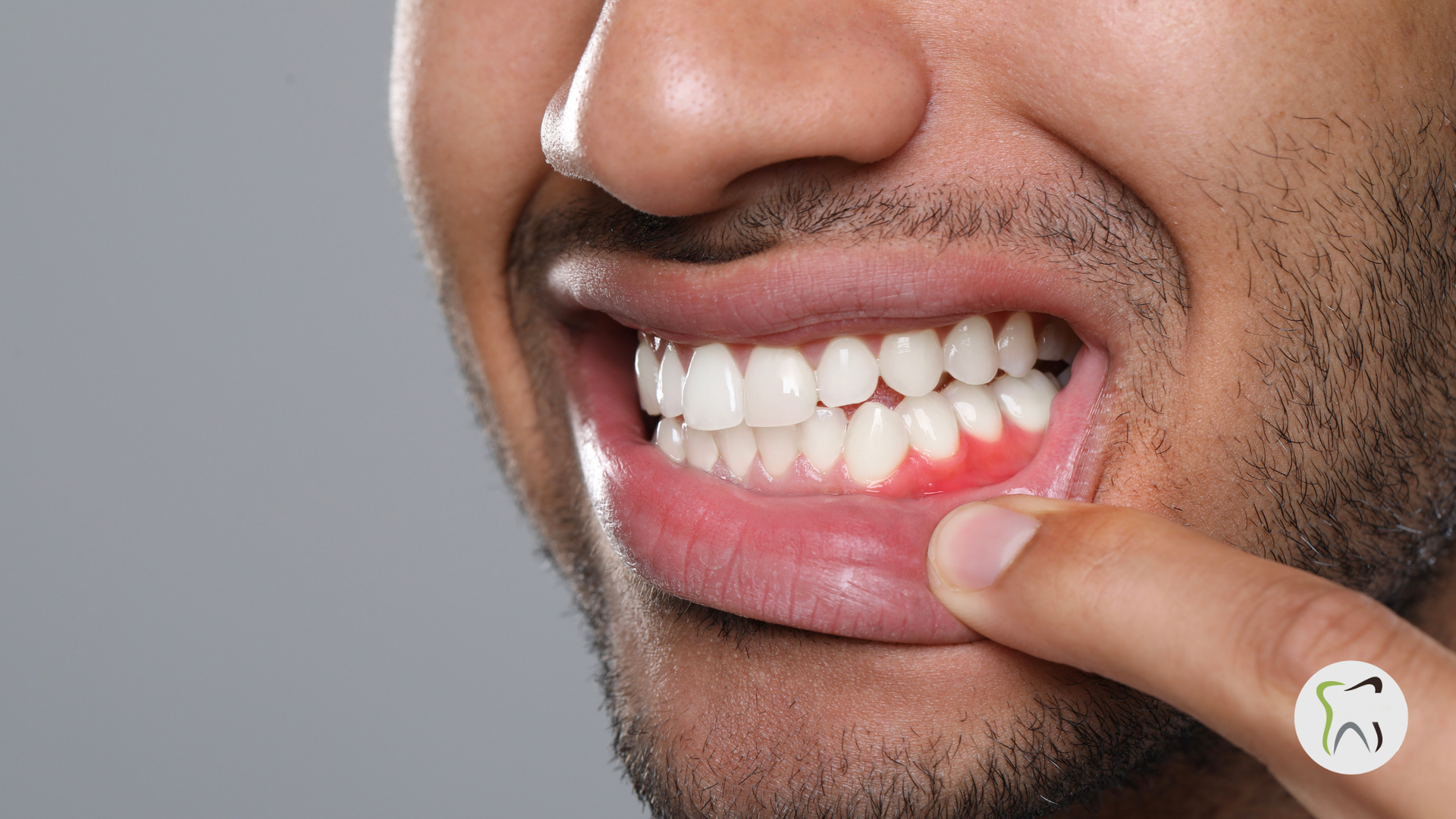
Gum recession occurs when gum tissue pulls away from its normal position around a tooth, exposing more of the tooth or its root. Several factors may contribute to gum recession, including periodontal disease, aggressive brushing, thin gum tissue, and certain tooth positions.
For patients considering veneers, the concern goes beyond appearance. Healthy, stable gums help create a natural-looking transition between the veneers and surrounding teeth. When gum tissue recedes, this transition can change.
Recession may also expose root surfaces, increase tooth sensitivity, and make maintaining healthy veneer margins more challenging. However, having receding gums does not automatically mean you cannot receive veneers. The severity and stability of the recession are important considerations.
Why Veneer Edges Become Visible When Gums Recede
A
dental veneer is a thin restoration bonded to the front surface of a tooth. Its edges, called margins, are carefully positioned to blend with the natural tooth. When veneers are placed, our team considers the current position of your gumline. But what if your gums continue to recede after treatment?
As the tissue moves away, previously concealed areas of the tooth may become visible. This can create a noticeable difference between the veneer and exposed natural tooth structure. You might notice:
- A darker or yellower area near the gumline
- Uneven gum levels between neighbouring teeth
- Teeth appearing longer than before
- Increased sensitivity around exposed roots
These changes do not necessarily indicate that the veneer is damaged. In some cases, the restoration remains intact while the surrounding gum tissue has changed. However, visible margins can affect the natural appearance of your smile, particularly around the front teeth.
Can Exposed Tooth Roots Affect Veneer Bonding?
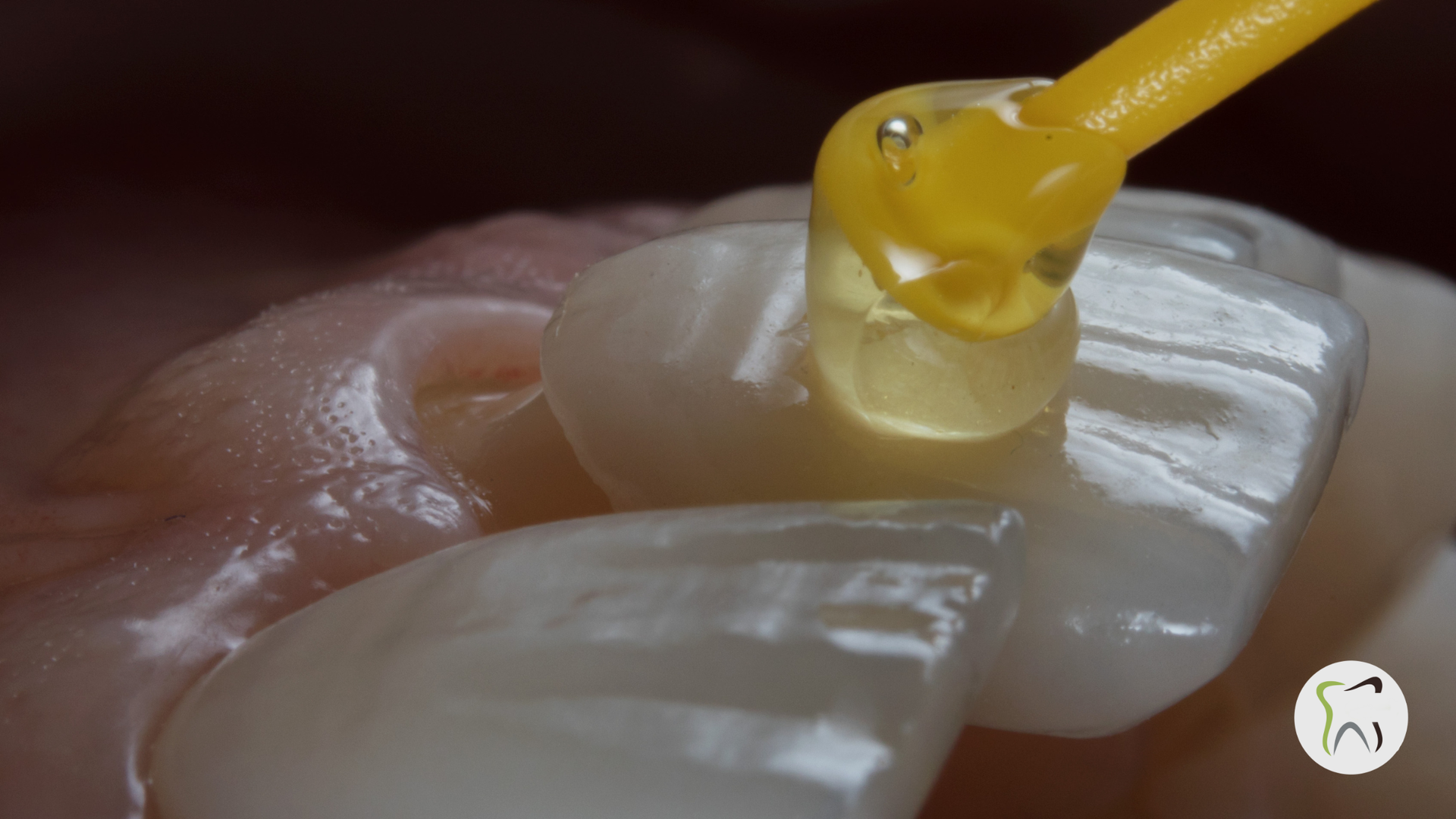
One important consideration when placing veneers is the surface to which they are bonded. Dental veneers typically bond more predictably to healthy tooth enamel. Enamel provides a strong, stable surface for adhesive materials.
When gums recede, portions of the tooth root may become exposed. Unlike enamel, root surfaces are covered by cementum and may expose underlying dentin. These tissues have different bonding characteristics, making adhesive procedures more technique-sensitive.
If a veneer needs to extend onto an exposed root surface, our team will carefully evaluate whether reliable bonding can be achieved. Continued recession may also expose the bonding margin, potentially contributing to staining or deterioration over time. This is why evaluating gum stability and available enamel is an important part of veneer treatment planning.
Should You Treat Gum Disease Before Getting Veneers?
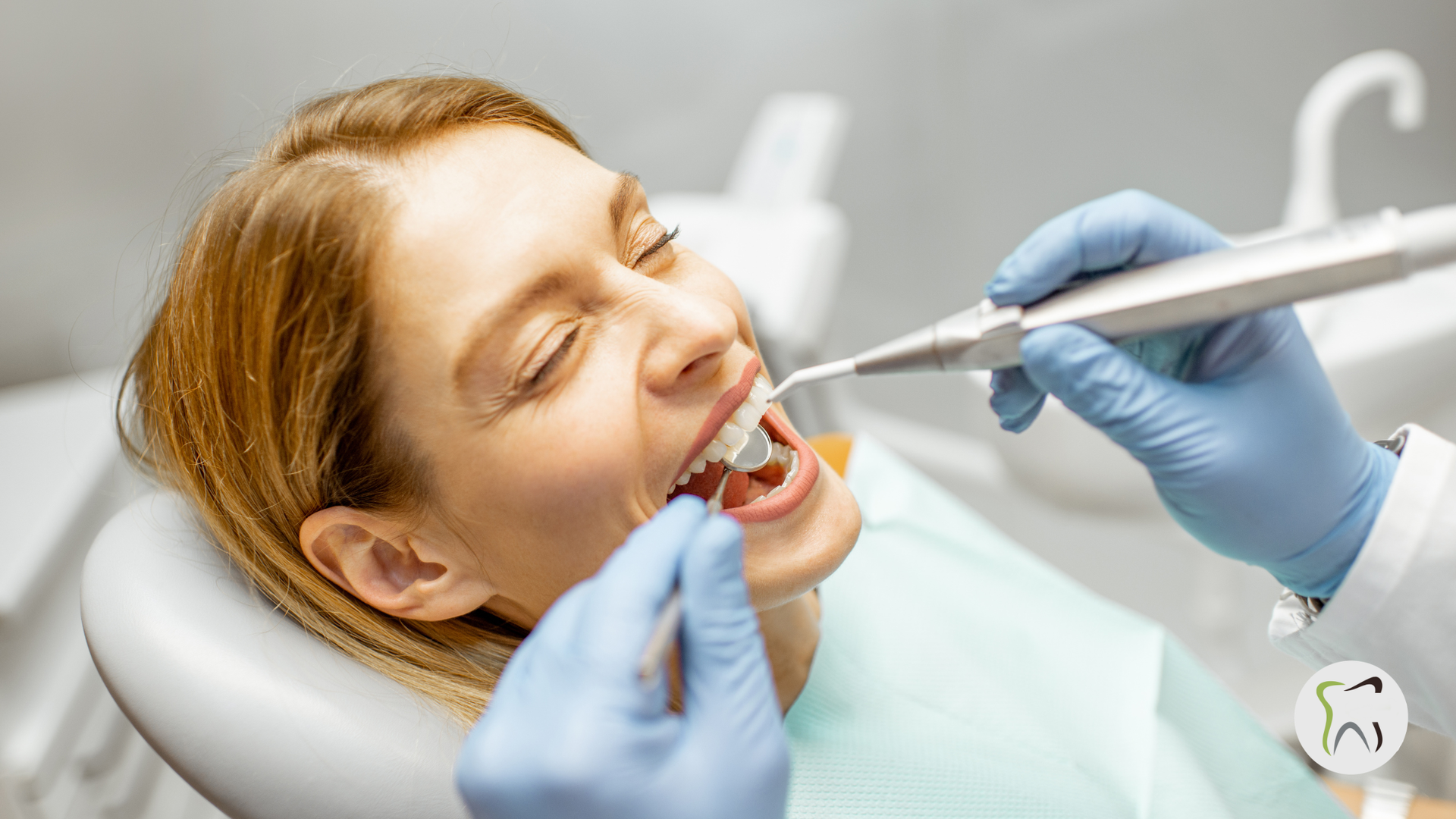
If you have active periodontal disease, addressing it should generally come before elective cosmetic treatment.
Periodontal disease affects the tissues supporting your teeth and may cause inflammation, bleeding, gum recession, and bone loss.
Placing veneers while gum inflammation remains uncontrolled can complicate treatment planning and affect the stability of the surrounding tissues. There is also a difference between stable gum recession and active gum disease.
For example, someone with mild recession but otherwise healthy gums may still be a suitable veneer candidate. However, a patient experiencing progressive recession, persistent inflammation, or untreated periodontitis may need periodontal treatment first. Depending on the condition, treatment may involve professional cleaning, scaling and root planing, or other periodontal procedures.
The goal is to establish healthier, more stable gums before proceeding with cosmetic restorations.
Can Gum Recession Be Corrected Before Veneer Placement?

The treatment approach depends on the cause and extent of the recession. Mild cases may be managed through improved oral hygiene, gentler brushing techniques, and regular monitoring.
For more significant recession, we may recommend a gum graft. Gum grafting involves placing tissue or an appropriate grafting material around affected teeth to help improve tissue coverage or thickness.
However, complete root coverage is not possible in every situation. Some patients may also require treatment for exposed root surfaces, tooth wear, or decay before veneers are considered. In certain cases, composite bonding or another restorative option may be more appropriate than porcelain veneers.
A thorough examination helps determine which approach can support both your cosmetic goals and long-term oral health.
What If Your Gums Start Receding After Getting Veneers?
If you already have veneers and notice changes around your gumline, it does not automatically mean they need replacement. The first step is identifying what is causing the recession and whether the veneers remain functional.
Our team may evaluate the condition of the gum tissue, check for periodontal disease, examine the veneer margins, and look for signs of exposed root decay. If recession is mild and stable, monitoring may be appropriate.
If active gum disease is present, periodontal treatment may help manage the underlying condition. In some situations, gum grafting or restorative treatment may be considered. Veneer replacement may be necessary if margins are damaged, decay develops, or significant aesthetic concerns cannot be addressed conservatively. Addressing the cause of recession is important before considering additional cosmetic treatment.
How to Protect Your Gums and Veneers
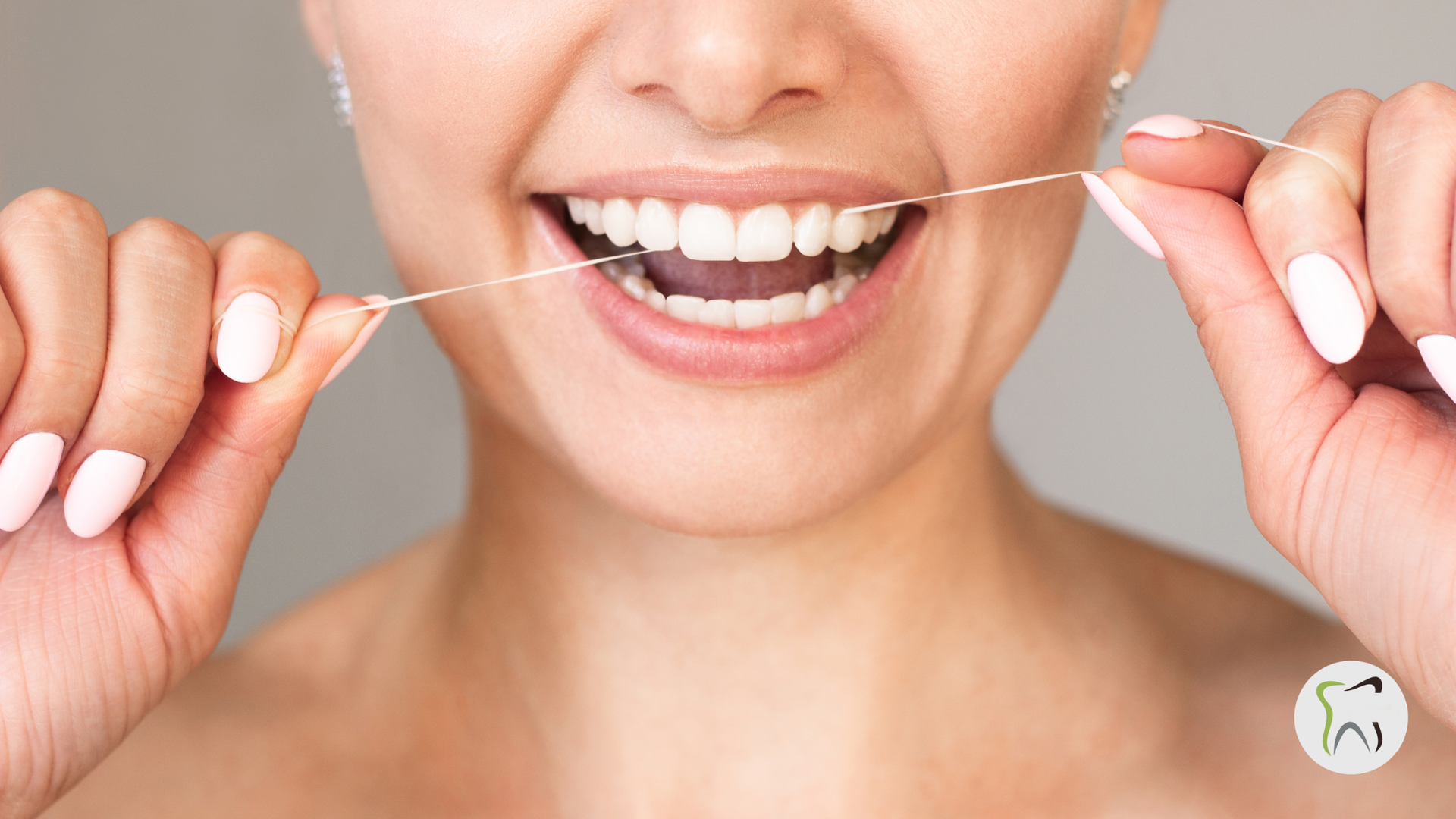
Maintaining healthy gums can help support the appearance and function of your veneers over time. A few daily habits can make a difference:
- Brush gently: Use a soft-bristled toothbrush and avoid excessive pressure near the gumline.
- Clean between your teeth: Floss or use recommended interdental cleaning tools to remove plaque around veneer margins.
- Attend regular dental appointments: Professional examinations help identify gum recession and changes around existing restorations.
- Watch for warning signs: Bleeding gums, sensitivity, exposed roots, or visible veneer edges should be evaluated.
If you notice changes in your gumline, seeking an assessment can help determine whether treatment is necessary.
Are Veneers Right for You If You Have Receding Gums?
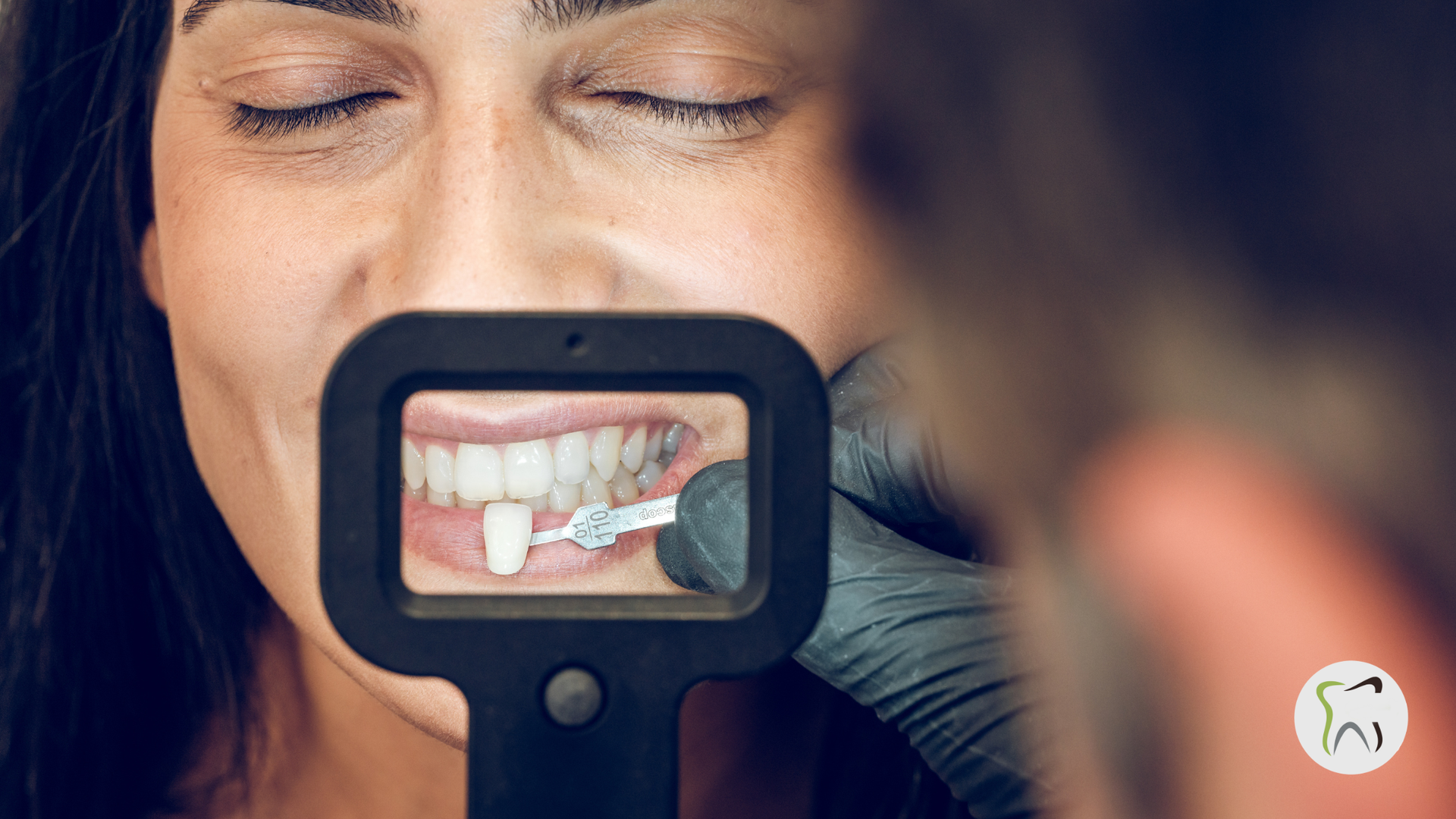
Receding gums do not automatically rule out dental veneers, but they can influence how treatment is planned. Stable gum tissue, adequate enamel, and healthy supporting structures are important factors when evaluating veneer suitability.
For some patients, treating gum concerns before cosmetic dentistry may help create a more predictable foundation. Others may benefit from alternative treatments depending on their dental needs.
At
Brewery District Dental in New Westminster, we help patients explore cosmetic dentistry options while considering the health of their teeth and gums. Thinking about veneers but concerned about gum recession? Contact
Brewery District Dental in New Westminster to schedule a consultation. Our team can evaluate your gum health, discuss your cosmetic goals, and help you understand your available treatment options.